
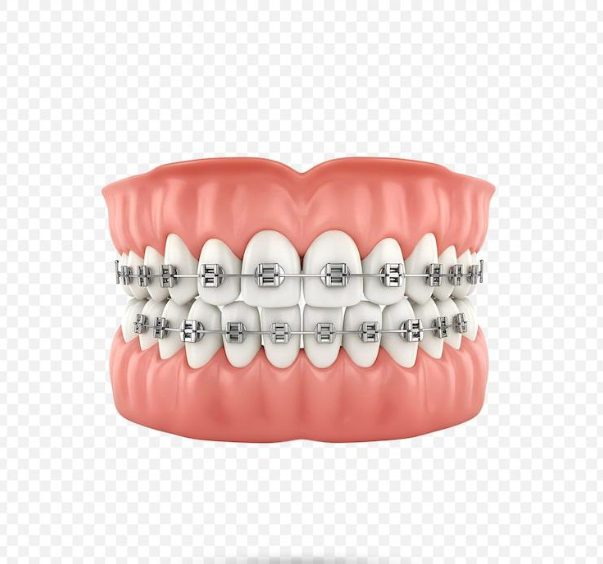
Jaw pain and recurring headaches can have several possible causes. A deep overbite may contribute to how the upper and lower teeth meet, but correcting the bite does not necessarily cure chronic pain or headaches. Each situation needs individual assessment.
Understanding the possible relationship between bite alignment, jaw function, and muscle tension may help patients decide when to seek a dental evaluation.
What Is a Deep Overbite?
A deep overbite occurs when the upper front teeth overlap the lower front teeth more than expected. The amount of overlap varies from person to person. A deep overbite does not automatically cause pain.
Some people may have a significant overbite without experiencing discomfort. Others may have symptoms related to tooth wear, jaw function, or tension in the muscles used for chewing. A dentist may examine the teeth, jaw joints, bite, and surrounding muscles when assessing these concerns.
Can an Overbite Contribute to Jaw Pain?
The link between bite alignment and jaw pain isn’t always straightforward. Jaw discomfort can be associated with temporomandibular disorders, muscle tension, clenching, grinding, injury, arthritis, and other factors. A deep overbite may influence how the teeth come together and how the jaw moves.
In some individuals, correcting an underlying bite problem may be considered as part of a broader treatment plan. However, it is not appropriate to assume that an overbite is the sole cause of chronic jaw pain. A family dentist in Sarnia can assess symptoms and determine whether further dental or medical evaluation may be appropriate.
What About Headaches?
Headaches can develop for many reasons, including stress, sleep problems, dehydration, medication effects, muscle tension, and neurological conditions. Jaw clenching or muscle tension around the face may also be associated with some types of headaches.
This means that improving bite alignment may not eliminate headaches when another condition is responsible. Persistent, severe, or unexplained headaches should be discussed with an appropriate healthcare professional. A dentist in Sarnia may assess whether there are signs of tooth grinding, jaw tenderness, abnormal tooth wear, or other oral findings that could be relevant to the symptoms.
How Is a Deep Overbite Treated?
Treatment depends on the severity of the overbite, age, tooth position, jaw development, and overall oral health. Options may include orthodontic treatment when appropriate. People researching Invisalign in Sarnia may wonder whether clear aligners can address a deep overbite.
Clear aligners are used for certain tooth movements, but suitability depends on the individual case. An assessment is necessary to determine whether this approach is appropriate. Treatment should be planned around the patient’s specific dental findings rather than based on symptoms alone.
When Should You Seek an Assessment?
Jaw pain that persists, worsens, or interferes with eating or daily activities deserves professional attention. A dental assessment may help identify possible contributing factors.
If headaches are frequent, severe, sudden, or accompanied by other concerning symptoms, medical assessment may also be necessary. Dental treatment should not be viewed as a substitute for medical evaluation when symptoms may have a non-dental cause.
Discuss Your Bite and Jaw Concerns With Wiltshire Family Dental!
Wiltshire Family Dental can assess your teeth, bite, and oral concerns and discuss appropriate treatment options based on your individual circumstances. If you are experiencing ongoing jaw discomfort or headaches that you think may relate to your bite, an assessment may help clarify whether a dental factor could be involved.
Recent Comments